

Author: Dr Balaji Ramamourthy, Consultant ENT & Head & Neck Surgery
Aram Advanced Healthcare, Puducherry
I often meet patients who say,
“I’ve had ear discharge for a long time, but it didn’t hurt much, so I ignored it.”
While ear discharge may seem minor at first, persistent or foul-smelling discharge can be a warning sign of a serious ear condition called cholesteatoma. Early diagnosis and treatment can make a life-changing difference.
What Is Cholesteatoma?
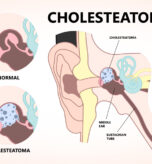
A cholesteatoma is an abnormal growth of skin cells inside the middle ear.
It is not cancer, but it can be dangerous if left untreated.
Instead of shedding normally, skin cells collect inside the ear, forming a growing mass that can slowly damage nearby structures.
Why Does Cholesteatoma Happen?
Cholesteatoma often develops due to:
- Long-standing ear infections
- Repeated ear discharge
- Poor Eustachian tube function
- A retracted or damaged eardrum
Over time, this trapped skin continues to grow and can lead to serious complications.
Common Symptoms to Watch Out For
Many patients ignore early symptoms because they are painless. Warning signs include:
- Persistent or recurrent ear discharge
- Bad smell from the ear
- Gradual hearing loss
- Feeling of fullness or pressure in the ear
- Ear pain (in later stages)
- Dizziness or imbalance (in advanced cases)
👉 If ear discharge lasts more than a few days, it should be evaluated by an ENT specialist.
Why Early Intervention Is Crucial
Cholesteatoma continues to grow over time and does not resolve without treatment. If left untreated, it can lead to:
- Destruction of middle ear bones (ossicles)
- Permanent conductive or mixed hearing loss
- Spread of infection to the inner ear
- Facial nerve paralysis
- Intracranial complications such as meningitis or brain abscess (rare but serious)
Early detection allows for timely intervention, reduces surgical complexity, and improves hearing outcomes.
How Is Cholesteatoma diagnosed?
To make a diagnosis we often perform:
- Comprehensive ENT examination using otoendoscopy or microscopy
- Audiological evaluation (hearing tests)
- Radiological imaging (CT scan of temporal bone) when indicated
Accurate assessment helps determine disease extent and appropriate management.
Treatment Options
Medical treatment alone cannot cure cholesteatoma.
Surgical removal is the definitive treatment and is aimed at:
- Complete eradication of disease
- Preservation or restoration of hearing
- Prevention of recurrence and complications
Postoperative follow-up is essential to monitor healing and long-term ear health.
⚠️ When treated early, surgical outcomes are usually excellent.
When Should You See a Doctor?
Do not delay medical care if you notice:
- Ear discharge that keeps returning
- Discharge with bad odor
- Hearing loss in one or both ears
- Symptoms lasting more than a week
Early consultation can save your hearing and prevent serious complications.
Take home message
Your ears play a vital role in your quality of life.
Ignoring ear discharge can cost more than you expect—but acting early can protect your hearing for years to come.
Consult our specialists at Aram Advanced Health Care, Puducherry for expert evaluation and compassionate care.
📞 Your hearing matters. Early care makes all the difference.
Frequently Asked Questions (FAQs)
- Is cholesteatoma serious?
Yes. Cholesteatoma is a progressive & destructive ear disease. If left untreated, it can damage hearing bones, affect balance, and in rare cases cause serious complications. Early diagnosis and treatment are essential.
- Can ear discharge go away on its own?
Short-term discharge may settle, but persistent or foul-smelling ear discharge needs ENT evaluation to rule out chronic infection or cholesteatoma.
- Is surgery necessary for cholesteatoma?
Yes. Surgery is the definitive treatment. Medicines may control infection temporarily but cannot remove cholesteatoma. Surgical treatment aims to completely remove cholesteatoma and prevent recurrence.
- Can hearing improve after surgery?
In many cases, hearing can be improved or restored, especially when the disease is detected early. The extent of hearing recovery depends on how much damage has occurred to the middle ear bones before treatment.
- When should I see an ENT doctor in Puducherry?
See an ENT specialist if ear discharge:
- Lasts more than a few days
- Has a bad smell
- Keeps recurring
- Is linked with hearing loss or dizziness
Early care can prevent permanent hearing loss.